Businesses trading between Ghana and China could benefit from faster and potentially lower-cost payment processing following Stanbic Bank Ghana’s introduction of direct access to China’s Cross-Border Interbank Payment System (CIPS), according to Stanbic Bank Ghana Chief Executive Kwamina Asomaning.
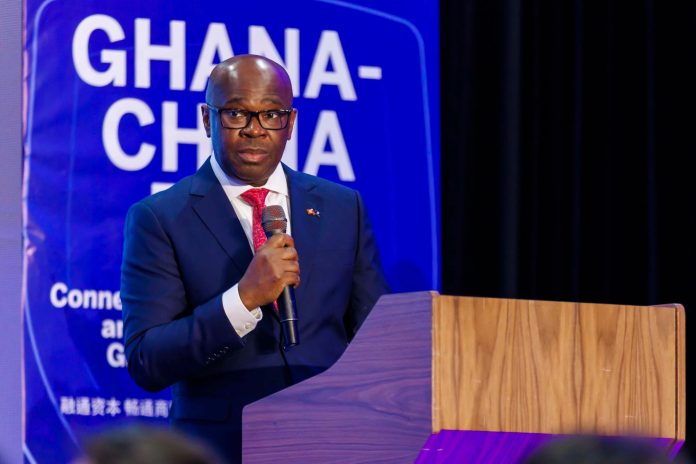
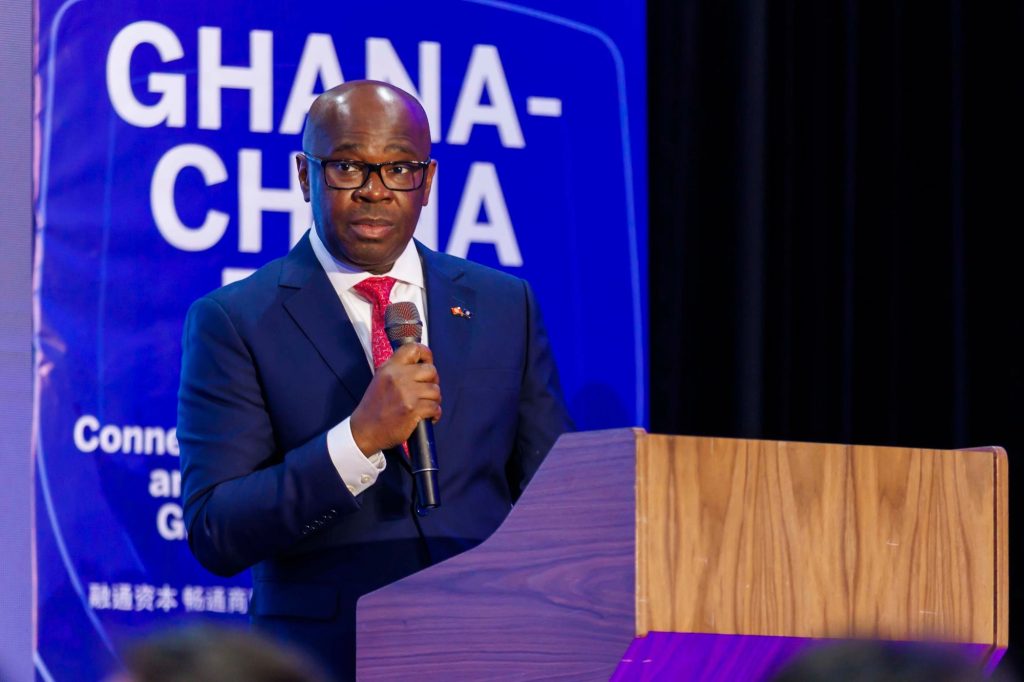
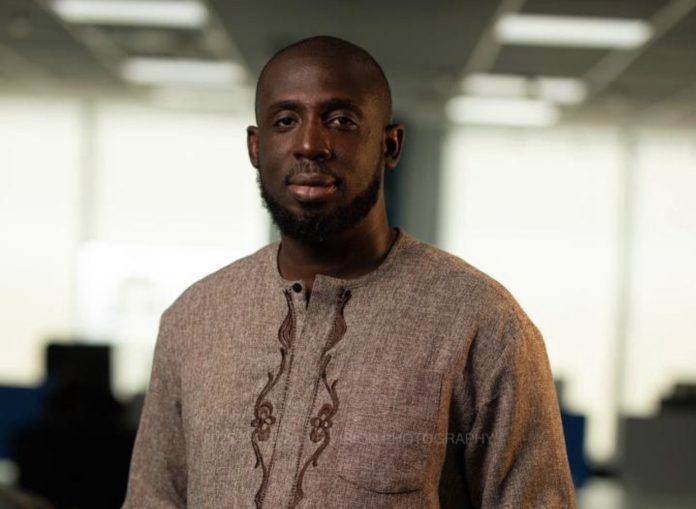
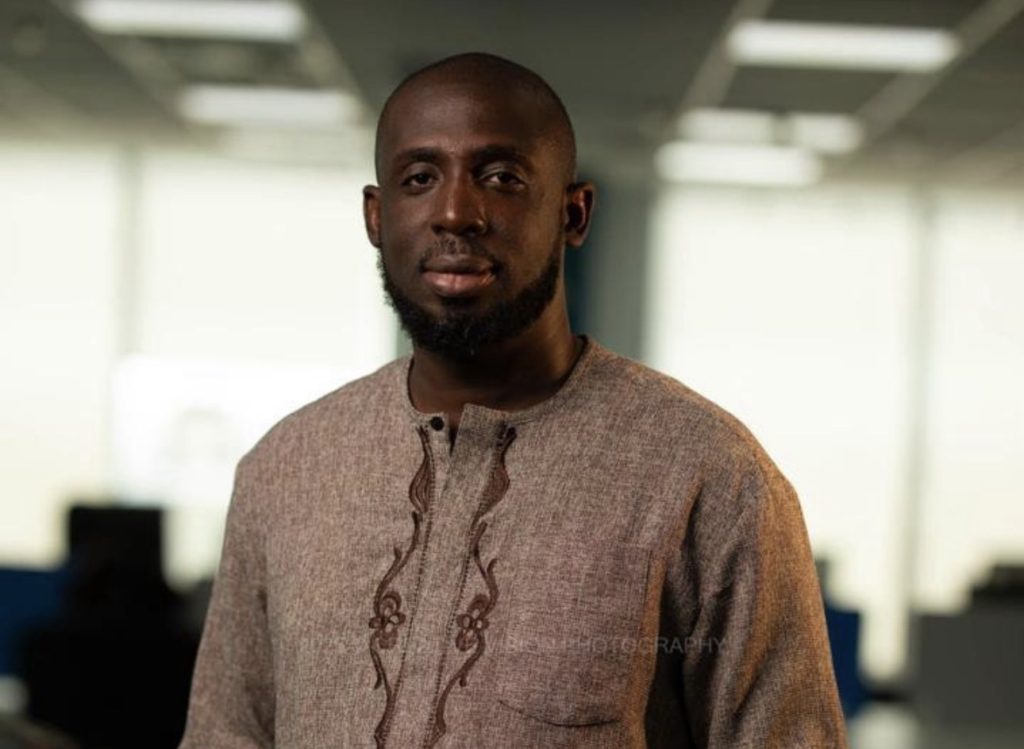
Kwamina Asomaning, Chief Executive, Stanbic Bank Ghana Ltd.
Asomaning made the remarks at the Ghana-China Day in Accra, where stakeholders discussed ways to strengthen financial and commercial connections between the two countries. The event was organised by Stanbic Bank Ghana in partnership with the Industrial and Commercial Bank of China (ICBC).
A More Direct Route for Ghana-China Payments
Asomaning said CIPS gives eligible businesses a more direct route to settle transactions in Chinese yuan (RMB) with Chinese counterparties.
The system can reduce reliance on correspondent and intermediary banks, potentially helping businesses reduce delays and transaction costs associated with traditional payment routes.
CIPS is a wholesale payment infrastructure authorised by the People’s Bank of China for cross-border RMB clearing and settlement. Stanbic Bank Ghana became the first bank in Ghana to offer clients direct access to CIPS after receiving approval from the Bank of Ghana.
Stanbic Bank Ghana says eligible RMB payments submitted with complete documentation by 2:00 p.m. GMT can be processed for next-business-day settlement, subject to regulatory and compliance requirements.
China Remains Ghana’s Major Import Source
The development comes as commercial ties between Ghana and China remain significant.
Ghana Statistical Service data show that China accounted for 22.3% of Ghana’s total imports in 2024, making it the country’s largest import source.
Asomaning said the relationship should move beyond the traditional focus on goods and infrastructure towards areas including investment, manufacturing, technology transfer and higher-value services.
“The next chapter must be about building financial connectivity, productive capacity and shared value,” he said.
He also assured businesses operating along the Ghana-China corridor that Stanbic Bank would continue working to reduce financial barriers.
“When a business crosses a border, its bank should not become another border,” Asomaning said.
Stanbic–ICBC Partnership
Stanbic’s CIPS capability is supported by the relationship between its parent, Standard Bank Group, and ICBC.
Standard Bank and ICBC were jointly authorised in June 2026 by the People’s Bank of China to clear Renminbi in Africa, with the two institutions operating as the Renminbi Clearing Bank of Africa with capacity to clear RMB across 19 African countries.
ICBC Africa representative office CEO Li Li described Stanbic Ghana’s CIPS rollout as an important development for RMB business in Ghana and highlighted the longstanding Standard Bank–ICBC partnership in client services, product development, connectivity, staff exchanges and risk management.
How Businesses Can Use CIPS
Stanbic Bank Ghana says customers seeking to use the service must hold an account with the bank and can initiate transactions through a branch or the bank’s digital banking channels.
Select Chinese yuan/RMB as the payment currency.
Provide the required supporting documentation.
Submit eligible requests by 2:00 p.m. GMT for next-business-day settlement, subject to applicable requirements.
Stanbic also clarifies that CIPS does not replace SWIFT. It provides an additional payment route specifically for eligible RMB/CNY transactions, while other currencies continue to use existing payment rails.
Ghana-China Day
The Ghana-China Day was held under the theme “Connecting Capital, Commerce, and Opportunity in the Ghana-China Corridor.”
The gathering brought together stakeholders from Ghana’s financial and business communities to examine opportunities for deeper trade, investment and economic cooperation between Ghana and China. Stanbic Bank Ghana said the initiative is part of efforts to make transactions along the corridor simpler, faster and more efficient.
The introduction of direct CIPS access therefore adds a new RMB payment channel for eligible Ghanaian businesses, while the broader Ghana-China relationship continues to evolve beyond traditional merchandise trade.
Follow GhanaMedia on X: @GhanaMedia123 for more verified business, finance and economic stories.
“The Global Voice for Sickle Cell” is now home as recovery continues
EDITORIAL VERDICT: EXCLUSIVE — DIRECT STATEMENT TO GHANAMEDIA.NET; DISCHARGE NOT YET INDEPENDENTLY CORROBORATED
Bethlyn Arthur, known publicly as “The Global Voice for Sickle Cell,” has been discharged from hospital after almost a month in intensive care, according to a statement sent directly to GhanaMedia.net for publication.
Bethlyn Arthur Discharged After Nearly a Month in ICU During Sickle Cell Awareness Month 3
The announcement comes during Sickle Cell Awareness Month, adding a deeply personal dimension to Arthur’s longstanding advocacy for people living with sickle cell disease.
Arthur previously disclosed publicly that she had spent 17 days in ICU while battling what she described as one of the most severe sickle-cell crises of her life. Her account was published by Pulse Ghana on September 7.
“She Is Home”
According to the statement provided to GhanaMedia.net, Arthur has now returned home following the prolonged hospitalisation.
The statement describes the period as one of the longest and most difficult ICU admissions of her life and highlights the significance of being able to return to ordinary family life.
After weeks in hospital, Arthur can now return to her home, rest in her own bed and spend time with her children.
For someone who has spent years advocating publicly around sickle cell disease, the timing of the recovery is particularly significant.
September is recognised as Sickle Cell Awareness Month, a period dedicated to increasing understanding of sickle cell disease and supporting affected individuals and families.
From Advocate to Patient
Arthur’s recent experience has placed her advocacy message in an intensely personal context.
In her September 7 account, she wrote about the contrast between spending years encouraging sickle-cell warriors and suddenly finding herself as the patient in an ICU bed. She stressed that strength and advocacy do not make someone immune to the realities of sickle cell disease.
Arthur’s profile describes her as a certified midwife, public health professional, international speaker and patient-voice advocate whose work combines lived experience with healthcare and public-health advocacy.
A Message of Gratitude
In the statement sent to GhanaMedia.net, Arthur expressed gratitude to people who supported her throughout the difficult period.
That includes those who prayed, called, sent messages, donated blood, offered assistance, visited, shared her story and encouraged her family.
Her management team also said it will begin responding to journalists, bloggers, media personalities, health professionals, organisations and others who have requested interviews or personal visits, as Arthur rests and gradually regains her strength.
The statement emphasises that discharge is not the end of the journey.
Recovery continues, while Arthur’s advocacy message remains.
Turning Recovery Into Awareness
The statement encourages the public to transform the attention generated by Arthur’s experience into practical support for people living with sickle cell disease.
Know your genotype.
Donate blood when eligible.
Support people living with sickle cell disease.
Show compassion toward people experiencing health battles that may not be visible.
Arthur’s previous public advocacy has similarly focused on genotype awareness, blood donation, stigma, prevention and support for sickle-cell patients.
Her official website also describes Thrive Beyond Sickle Cell as an emerging initiative focused on patient empowerment, education, dignity, prevention and living a fulfilling life beyond the diagnosis.
“Today, Bethlyn Arthur Is Home”
The latest statement ends on a simple message of gratitude.
After weeks of intensive medical care, Arthur is now home with her family.
Her recovery remains ongoing, but the discharge represents an important milestone in a difficult period that unfolded while she was simultaneously serving as a public voice for sickle-cell awareness.
Today, Bethlyn Arthur is home.
And, as the statement to GhanaMedia.net puts it, for that, there is profound gratitude.
Follow GhanaMedia on X: @GhanaMedia123 for more verified health, human-interest and public-interest stories.
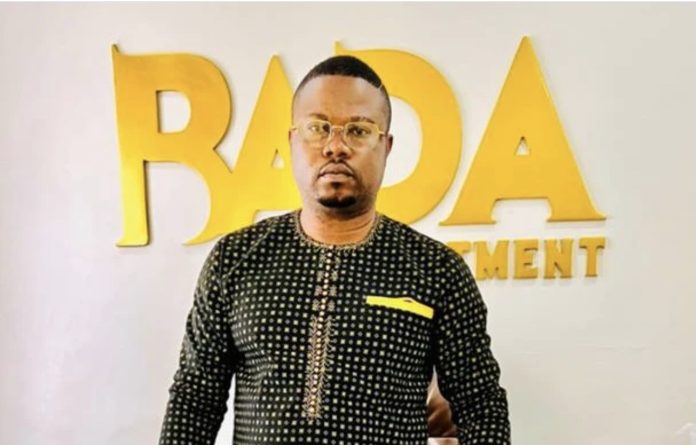
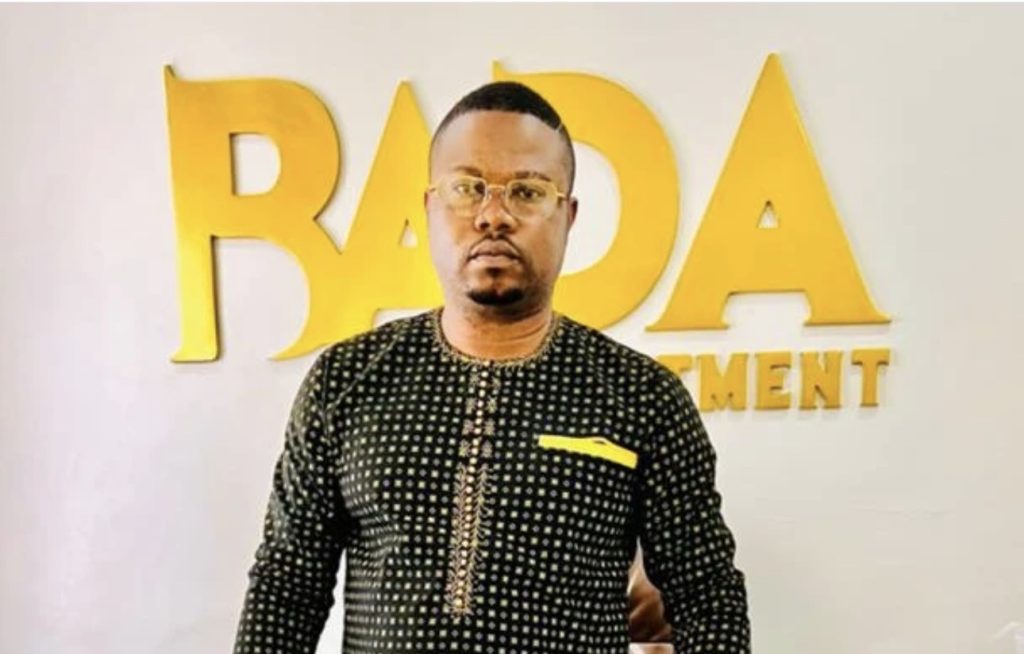
LOMÉ, Togo — King Sena Bada III, also known as BADA Yao Sena, is building a distinctive profile that brings together entrepreneurship, traditional leadership, creative production and community development.
KING SENA BADA III: ENTREPRENEUR, CHIEF & COMMUNITY BUILDER
Born in 1980 in Kpalimé Danyi-Elavagnon, Togo, BADA Yao Sena’s professional journey has developed across transit and customs, import-export, commercial representation, cultural production and community initiatives.
His story reflects a career built around practical learning, entrepreneurship, resilience and an increasingly international outlook.
From Practical Training to Entrepreneurship
According to his professional profile, BADA Yao Sena developed an early interest in practical and technical learning after completing his Baccalaureate, Series D.
In 2003, he undertook training in general electronics at Centrale Communication in Dekor, gaining technical knowledge and exposure to professional practice.
Between 2005 and 2006, he worked alongside his mother within HELENA TRANS. That experience introduced him more deeply to the realities of transit and customs and became an important foundation for his later entrepreneurial activities.
He subsequently pursued theoretical training in transit and customs at CAFPC-FORMATION-TDSCCI in 2007, complementing his practical experience with formal knowledge.
Building His First Enterprise
In 2006, BADA Yao Sena established Établissement Jéhovah Jireh, beginning an entrepreneurial journey that would later expand into several commercial areas.
The enterprise operated across transit and customs, import-export, general commerce and commercial representation.
The experience exposed him to the realities of running a business, including customer relationships, financial management, employee responsibilities and the challenges of sustaining commercial operations.
Those experiences, according to his profile, helped shape a philosophy based on patience, perseverance, prudence and adaptability.
From Entrepreneur to Traditional Leader
In 2014, BADA Yao Sena took on another significant responsibility when he was enthroned as traditional chief of Woudaoba-Aflao under the title FIATOR Sena BADA III.
The role placed him at the intersection of traditional authority and community development.
His stated responsibilities include promoting social cohesion, preserving cultural values, supporting peace and encouraging collective action within the community.
The combination of commercial entrepreneurship and traditional leadership has become a defining feature of his public profile.
Community Development as a Leadership Responsibility
As traditional leader, BADA Yao Sena has been associated with initiatives aimed at strengthening community organisation and improving living conditions.
According to the profile supplied for publication, his community-related initiatives have included support for facilities for traditional meetings and exchanges, efforts connected to electricity access, a water project and activities intended to strengthen unity within Woudaoba-Aflao.
The approach reflects his stated belief that traditional leadership should contribute to practical development rather than remain limited to ceremonial responsibilities.
The Creation of BADA Investment
In 2018, BADA Yao Sena established BADA Investment, marking another major stage in his professional development.
The company has developed interests in transit and customs, import-export, general commerce, commercial representation and artistic production.
BADA Investment’s official platform describes the company as operating across artistic creation and production, commerce and logistics, and import-export, with a stated focus on connecting markets and creating value across Africa and internationally.
Entering the Music and Creative Industry
BADA Investment later diversified into music production and the wider creative economy.
The company identifies music production, publishing, cultural events and artist development among its activities.
King Sena Bada III is also associated with Togolese artist Paki Chenzu as a producer. Music-distribution records for Paki Chenzu’s 2026 release “Tout ira mieux (Faut pas m’appeler)” identify BADA Investment as the production company and King Sena Bada III as producer.
The move into music represents a significant expansion of BADA Investment’s identity, combining commercial activity with cultural and creative entrepreneurship.
International Expansion
According to the professional profile supplied to GhanaMedia.net, BADA Investment expanded internationally with the opening of a company branch in Belgium on February 16, 2026.
The reported expansion forms part of an ambition to connect the company’s Togolese operations with European markets and develop international business relationships.
The move is consistent with BADA Investment’s stated international outlook and its positioning around trade, creative production and cross-border partnerships.
Publicly available records also contain references to a BADA Yao Séna working in the transit and customs sector in Togo, providing additional evidence of his longstanding connection to the industry.
The KSB Foundation and Social Responsibility
BADA Yao Sena’s activities extend beyond business and traditional leadership through the KSB Foundation.
According to his profile, the foundation focuses on four principal areas: social action, education, health and entrepreneurship.
The foundation reflects his stated belief that economic success should also generate social value and opportunities for communities.
A central element of BADA Yao Sena’s personal philosophy is self-reliance.
“Être soi-même, car personne ne viendra le faire à votre place. Faites les choses par vous-même sans toujours attendre quelqu’un.”
Translated broadly, the message encourages individuals to be themselves, take responsibility and act rather than constantly waiting for someone else to create opportunities for them.
The philosophy mirrors the trajectory presented in his professional biography: learning through experience, establishing businesses, taking on traditional responsibilities and expanding into new sectors.
Tradition, Business and Solidarity
King Sena Bada III’s profile is ultimately defined by the intersection of three areas: tradition, entrepreneurship and solidarity.
As an entrepreneur, he has built activities around transit, customs, commerce, import-export and creative production. As a traditional leader, he has taken on responsibilities connected to culture, peace and community organisation. Through social initiatives, he has also sought to connect his professional journey with community development.
His experience demonstrates how traditional institutions and modern entrepreneurship can exist alongside each other when leadership is directed toward both economic opportunity and community responsibility.
Looking Ahead
With BADA Investment continuing to develop its commercial and creative activities, BADA Yao Sena’s next chapter is increasingly international.
The company’s expansion into new markets, combined with its involvement in music production and its existing commercial activities, signals an ambition to build a broader African business platform.
For King Sena Bada III, the journey from practical apprenticeship and early entrepreneurship to traditional leadership, creative production and international business represents a continuing commitment to growth, independence and community impact.
Source note: This feature is based on the professional biography supplied to GhanaMedia.net, cross-checked against BADA Investment’s official website, public Togolese records and music-distribution records.
LOMÉ, Togo — King Sena Bada III, also known as BADA Yao Sena, is positioning himself at the intersection of entrepreneurship, traditional leadership, cultural development and social engagement through a growing portfolio of business and community initiatives.
His activities span transit and customs, import-export, commercial representation, music production, cultural events and community development, with his business interests increasingly extending beyond Togo.
Bada Investment
Independent information available online confirms BADA Investment’s operations in artistic production, transit, customs, commercial representation and international trade. The company’s website describes its vision as connecting markets from Africa to the wider world.
From transit and customs to BADA Investment
According to the profile provided for publication, BADA Yao Sena was born in 1980 in Kpalimé Danyi-Elavagnon, Togo.
His early professional experience developed through practical exposure to the transit and customs sector, including work alongside his mother at HELENA TRANS, before he undertook formal training in transit and customs.
In 2006, he established Établissement Jéhovah Jireh, with activities covering transit, customs, import-export, general trade and commercial representation.
That entrepreneurial foundation later developed into BADA Investment, established in 2018 according to the supplied profile.
Today, BADA Investment presents itself as a diversified enterprise covering artistic production, commerce and logistics, import-export and African textile trading. Its official website lists more than 15 countries covered, 200-plus projects and more than 50 partners.
Traditional leadership and community responsibility
BADA Yao Sena’s profile also extends beyond commercial activities.
The supplied biography states that he was enthroned in 2014 as traditional chief of Woudaoba-Aflao under the title FIATOR Sena BADA III.
His traditional role is described as involving cultural preservation, social cohesion, peacebuilding and community organisation.
The profile further associates his community activities with efforts aimed at improving infrastructure, supporting electricity and water access, creating community meeting facilities and strengthening unity among residents.
These responsibilities form part of a broader vision in which traditional leadership is viewed not simply as a cultural institution but also as a platform for community development.
Expansion into the creative economy
In recent years, BADA Investment has expanded into the creative sector.
The company says its artistic activities include music production, publishing and cultural events, while its website specifically identifies artist development and music production among its services.
King Sena Bada III is also identified as producer of Togolese artist Paki Chenzu.
That relationship has received independent confirmation through music-distribution records. A Paki Chenzu release issued in January 2026 lists BADA Investment as the production company and King Sena Bada III as producer.
The development reflects BADA Investment’s attempt to build a business model that combines commercial activity with support for African creative talent.
Building bridges between Africa and Europe
According to the supplied company profile, BADA Investment opened a branch in Belgium on February 16, 2026.
The claimed expansion is part of a broader strategy to connect its activities in Togo with international markets and create opportunities for partnerships between African and European businesses.
Independent Belgian company-registration search results also show an entity named “BADA INVESTMENT” CommV registered in Sint-Jans-Molenbeek in March 2026. However, the available registration result does not by itself establish that this entity is the Belgian branch described in the supplied biography.
The distinction is important as the company continues to build its international profile.
Supporting artists and cultural entrepreneurship
BADA Investment’s creative-industry strategy goes beyond simply producing music.
Its official website says the company provides project management, partnership development, recording, promotion, distribution and event-management support for artists.
The company has also been linked to wider creative-industry networks in Togo. Music In Africa recently reported that music professional NIHTAEL had worked with BADA Investment and King Sena Bada III, particularly around relationships with artists, producers, media professionals and cultural entrepreneurs.
This suggests an increasingly interconnected model in which music production, artist development, media and business partnerships operate alongside BADA Investment’s traditional commercial activities.
The KSB Foundation and social responsibility
Beyond commercial and cultural interests, King Sena Bada III is also associated with the KSB Foundation.
According to the supplied profile, the foundation focuses on four principal areas:
Social action
Education
Health
Entrepreneurship
The stated objective is to use entrepreneurship and community engagement as tools for creating opportunities and supporting future generations.
For King Sena Bada III, the approach represents an attempt to connect wealth creation with social responsibility.
A broader African entrepreneurial model
King Sena Bada III’s profile reflects a broader trend among African entrepreneurs who are combining commercial ventures with cultural and community responsibilities.
His activities bring together sectors that are often treated separately: logistics and international trade, traditional leadership, music production, artist development and social initiatives.
BADA Investment’s own positioning — “De la scène au marché, de l’Afrique au monde” — captures that ambition: moving from creative production and local commerce toward wider African and international markets.
The company’s work with artists such as Paki Chenzu and its stated focus on international partnerships demonstrate an effort to make the creative economy part of its wider business strategy.
Looking ahead
As BADA Investment develops its commercial and creative operations, King Sena Bada III’s trajectory illustrates an increasingly diversified approach to African entrepreneurship.
From his reported beginnings in transit and customs to business ownership, traditional leadership, music production and social initiatives, his career has increasingly brought economic activity and community responsibility together.
His stated ambition is not only to expand BADA Investment geographically, but also to contribute to stronger structures for African businesses, artists and communities.
If that vision continues to develop, King Sena Bada III’s story could offer an example of how entrepreneurship, traditional authority and cultural development can operate together within a modern African business ecosystem.
Media / Business Information
BADA Investment Lomé, Togo Website: bada-investment.com Email: [email protected] Music/Production: [email protected] Social Media: @badainvestment
Verification Note
GhanaMedia.net has independently checked publicly available information about BADA Investment and its creative activities. The company’s business sectors and its association with Paki Chenzu are supported by its official website and independent music-industry records.
Disclosure: The author is a former student of Dr. Abdul-Baasit Aziz-Bamba and subsequently served with him on the University of Ghana Council.
Introduction
The appointment of Dr. Abdul-Baasit Aziz-Bamba as Acting Director-General of the Value for Money Office, and therefore the inaugural head of the institution, presents an opportunity to focus not merely on an individual appointment, but on the broader governance challenge the new Office was created to address.
For years, Ghanaians have debated the prudence, affordability and implementation of major public projects. Public discussions surrounding Agenda 111, the National Cathedral, the Afari Military Hospital and several infrastructure projects across the country have often raised concerns about delays, cost overruns, project modifications and incomplete execution.
Regardless of one’s political perspective, these concerns point to a central governance question: how can the State ensure that every cedi committed to a public project delivers measurable and demonstrable value to citizens?
That question lies at the heart of the Value for Money Office.
The Legal Framework
The Value for Money Office derives its mandate from the Value for Money Office Act, 2026 (Act 1172). The Act establishes a statutory framework for the regulation, monitoring, coordination, promotion and conduct of value-for-money assessments, while also requiring scrutiny of procurement practices, cost-estimation methodologies, contract-management processes and expenditure controls within covered entities.
The law contains important enforcement mechanisms. Under sections 30 and 31 of Act 1172, monetary thresholds for mandatory value-for-money assessments are to be prescribed, and a covered entity may not award a public contract above the applicable threshold unless the Office has issued a Value for Money Certificate of Clearance. The Act further provides that such a certificate should not be issued unless the project is duly budgeted for and a funding commitment has been made. Significantly, a contract executed in breach of the certification requirement is rendered null and void and unenforceable against the Republic or the covered entity.
The legislation therefore goes beyond a purely advisory model. It creates a gatekeeping mechanism intended to bring value-for-money scrutiny forward in the project cycle, before contractual commitments are made and public funds become exposed. At the same time, section 12 protects the institutional independence of the Office by providing, subject to the Constitution and other enactments, that it is not subject to the direction or control of any person or authority in the performance of its functions.
Importantly, the Office operates within a broader accountability ecosystem that already includes Parliament, the Public Procurement Authority, the Auditor-General, the Internal Audit Agency and other oversight bodies. Its success will therefore depend not only on the powers granted by law, but also on effective coordination and the avoidance of institutional duplication.
The Value for Money Office and Its First Director-General: A Governance Opportunity. 7
Why Leadership Matters
Even the most carefully drafted legislation ultimately depends on the quality of its implementation. The Value for Money Office will be expected to scrutinise major public projects, challenge assumptions, test cost estimates, assess risks and insist on adherence to established procedures.
Such a mandate requires leadership that combines technical competence with independence of judgment, credibility and a commitment to due process. As the inaugural head of a new institution, Dr. Aziz-Bamba will also have the responsibility of helping to shape its culture, standards and reputation from the outset.
Why Dr. Aziz-Bamba Is Well Placed for the Role
Dr. Aziz-Bamba brings to the position a background that combines legal scholarship, public-law expertise and practical institutional experience.
Having interacted with him both as a lecturer and later within the governance structures of the University of Ghana, I observed a professional who approached institutional decision-making with diligence, attention to detail and a strong regard for process. His experience in legal administration and governance provides a useful foundation for a role that will require the careful evaluation of complex public-sector decisions.
However, the true measure of his suitability will not be personal reputation alone. It will be his ability to build systems, establish credible review processes, attract multidisciplinary expertise and ensure that the Office earns public confidence through the quality and impartiality of its work.
Risks and Conditions for Success
While the establishment of the Office is a welcome reform, its success should not be taken for granted.
First, the Office must enjoy genuine operational independence. A value-for-money assessment framework can only be effective if its findings are respected, even when they concern politically significant or high-profile projects. The statutory protection for the Office’s independence will matter only if it is reflected in institutional practice.
Second, the Office will require strong technical capacity. Value-for-money reviews demand expertise not only from lawyers and accountants, but also from engineers, quantity surveyors, procurement specialists, economists, project managers and other professionals.
Third, clear institutional coordination will be essential. The Office must complement, rather than duplicate, the work of existing oversight institutions. Clear lines of responsibility will help avoid unnecessary regulatory overlap and improve accountability.
Ultimately, a strong statutory framework and a capable Director-General will achieve little without adequate resources, institutional support and respect for the Office’s mandate.
A Timely Opportunity
The appointment of Dr. Aziz-Bamba should therefore be viewed as an opportunity to build a credible institution capable of improving public-investment outcomes in Ghana.
The reform is also timely in the context of Ghana’s wider fiscal-governance agenda. In its August 2026 Article IV report on Ghana, the International Monetary Fund called for stronger oversight of state-owned enterprises and public entities, merit-based board and management selection, enhanced procurement oversight and improved public-investment management. The report also specifically identified the operationalisation of the Value for Money Office as part of the effort to strengthen independent oversight of major public investments.
The real test will not be the credentials of the individual appointed. Rather, it will be whether the Value for Money Office succeeds in making it standard practice to ask difficult questions before public funds are committed: Is the project necessary? Is the proposed cost reasonable? Can the State realistically afford it? Can it be delivered within time and budget? Does it comply with the law and applicable procurement requirements? Will citizens receive value commensurate with the resources being invested?
If these questions become embedded in Ghana’s public-expenditure culture, the Office could make a lasting contribution to fiscal discipline, accountability and public trust.
Conclusion
The establishment of the Value for Money Office represents an important governance reform. Dr. Aziz-Bamba’s appointment deserves recognition, but the focus must now shift from the individual to the institution and from promise to performance.
For Dr. Aziz-Bamba, the task ahead is considerable, but so too is the opportunity. His most enduring legacy will not be measured simply by the number of reviews undertaken or reports issued, but by whether the Office helps change how Ghana conceives, approves and executes public expenditure.
If he can leave behind an Office whose independence is respected, whose judgments are trusted and whose scrutiny changes how Ghana commits public money, that will be a legacy worthy of the institution and the Republic.
Legal references: Value for Money Office Act, 2026 (Act 1172), particularly ss. 12, 30 and 31; IMF, Ghana: 2026 Article IV Consultation, Country Report No. 26/212 (August 2026).
SiinaPrinceNetwork (SPN) is set to bring the Melodic Impact Summit 2026 to Hamburg, Germany, on Saturday, October 10, with a programme designed to challenge church musicians and worship leaders to look beyond performance and examine the spiritual responsibility behind their ministry.
SPN Brings Melodic Impact Summit to Hamburg, Germany 10
The summit, themed “The Doctrine of a Church Musician”, will focus on “The Transition of Worship”, with John 4:21–24 serving as its central Scripture.
The event announcement has also been published independently by Kumikasa, corroborating the date, theme, speakers, venue and programme details supplied for the event.
From Sound to Spiritual Responsibility
According to SPN, music ministry is more than producing sound. It involves the person behind the song, the calling behind the instrument and the responsibility attached to leading others in worship.
Founded and led by Pastor Siina Prince, with Michael Bsharp serving as President, SPN describes itself as a non-denominational music ministry network committed to “Nurturing Spirit, Skill & Sound.”
The Melodic Impact Summit is held twice a year and brings together musicians, worshippers, music directors and ministers for worship, teaching, connection and reflection.
The Hamburg edition will examine the biblical development of worship from the altar and covenant through the Tabernacle, priesthood and Davidic worship, while also considering prophetic correction, Christ, the Holy Spirit and worship surrounding God’s throne.
Three Sessions
1. Panel Discussion — Leadership, Relationships & the Musician
The opening session will address the human and leadership realities behind music ministry.
Topics will include leadership and responsibility, personal integrity, healthy boundaries, conflict resolution, interpersonal relationships, team culture, spiritual maturity and accountability.
The session is designed to encourage musicians and leaders to build healthier teams while serving faithfully.
2. Worship Experience — From Performance to Presence
The second session will move from conversation into worship.
SPN says the worship experience will encourage participants to move away from the pressure of performance and return to the heart of worship.
The emphasis will be on making Christ the centre rather than making the musician the centre.
3. Teaching — The Transition of Worship
The final session will explore the development and transformation of worship throughout the biblical narrative.
The teaching will examine how worship has transitioned across different biblical seasons while remaining centred on God’s presence, holiness and glory.
Speakers and Invited Voices
Pastor Siina Prince and Michael Bsharp will be joined by invited voices including Michael Mustapha, Dr. Godswill Iwela, Vanessa Gyasi, Omolade Robert and Francisca Arthur.
The event is expected to bring together people with different experiences in music, ministry and leadership for a deeper conversation about the calling of the church musician.
At the heart of the summit is a message that excellence and spirituality should not be separated.
Not simply how we sound, but what our sound carries.
Not merely performance, but presence.
Not just music, but ministry.
SPN Brings Melodic Impact Summit to Hamburg, Germany 11
Event Details
Event: Melodic Impact Summit 2026 Theme: The Doctrine of a Church Musician Focus: The Transition of Worship Scripture: John 4:21–24 Date: Saturday, October 10, 2026 Time: 3:00 PM–7:00 PM Venue: Afrotopia, Biedermannplatz 19, 22083 Hamburg, Germany Organiser: SiinaPrinceNetwork (SPN)
GhanaMedia.net encourages readers attending or sharing the event to rely on the organisers’ official channels for any last-minute changes to programme or venue arrangements.
Follow GhanaMedia on X: @GhanaMedia123 for more Ghanaian and African stories, culture, faith and community updates.
Digital Finance Must Move Ghanaians Beyond Basic Transactions — MMFL
MobileMoney Fintech executive Abdul-Razak Issaka-Ali says Ghana’s next phase of financial inclusion should help customers save, invest, access credit and build stronger financial futures.
Ghana’s next phase of financial inclusion must move beyond simply sending and receiving money to help more people save, invest, access credit, obtain insurance and build stronger financial futures, according to Abdul-Razak Issaka-Ali, Chief Commercial Operations Officer of MobileMoney Fintech Ltd (MMFL).
Digital Finance Must Move Ghanaians Beyond Basic Transactions — MMFL
Speaking at the launch of MTN Ghana’s 2026 DigiFest at MTN House in Accra on September 7, Issaka-Ali said the next frontier of digital finance was to translate widespread access to mobile financial services into everyday financial value and improved financial wellbeing.
His comments form part of a broader DigiFest 2026 programme focused on digital innovation, technology and practical solutions for Ghana’s digital economy.
From Transactions to Financial Wellbeing
According to Issaka-Ali, mobile money has played an important role in expanding financial inclusion by making it easier for Ghanaians to move money and access financial services.
But he argued that financial inclusion should not stop at the ability to conduct a transaction.
“Financial inclusion should not end with being able to make a transaction.”
He said there was significant room to deepen access to savings, credit, investments, insurance, pensions and other financial products.
The objective, he explained, should be to give customers tools that help them manage risk, plan for the future and pursue new economic opportunities.
The comments build on Issaka-Ali’s earlier public advocacy for expanding digital financial services beyond payments. In June, he said digital transaction histories were increasingly helping small businesses demonstrate creditworthiness and potentially improve access to finance.
Collaboration Needed for a Cash-Lite Economy
Issaka-Ali also stressed that Ghana’s transition toward a more digitally enabled, cash-lite economy cannot be driven by mobile money operators alone.
He called for continued collaboration among mobile money operators, banks, insurance companies, pension providers, fintech companies, regulators and other players within the financial ecosystem.
“A cash-lite economy cannot be delivered by MoMo alone.”
He said MMFL’s platform approach was designed to enable partners to make a broader range of financial products available to customers.
The MoMo App, he added, provides a channel through which users can discover, access and manage multiple financial and lifestyle services.
AI and APIs Could Deepen Digital Finance
The MMFL executive also highlighted the potential of emerging technologies to improve digital financial services.
He pointed to artificial intelligence (AI) and application programming interfaces (APIs) as technologies that could help financial institutions personalise services, connect products more efficiently, respond more quickly to customers and strengthen fraud detection and prevention.
For Ghana’s digital-finance ecosystem, this represents a shift from simply digitising existing transactions toward building more integrated financial services around customers’ everyday needs.
MoMo FinTech Lab
The discussion also comes as MMFL expands its support for homegrown fintech innovation through the MoMo Fintech Lab.
The programme is designed to identify, support and develop innovative fintech ideas with the potential to contribute to the future of financial services in Ghana.
The programme offers selected participants mentorship, skills development, technical support, stakeholder engagement, networking and pitching opportunities. Its selection process includes stages such as hackathons, mentorship and final demonstrations.
The initiative is open to students, developers, entrepreneurs, startups and innovators working on solutions capable of addressing everyday challenges and expanding financial access.
Innovation Must Solve Real Problems
For Issaka-Ali, however, technological advancement should ultimately be measured by its impact on customers.
“The goal is not technology for its own sake.”
He said technology and partnerships should be used to solve real customer needs, expand opportunity and help more Ghanaians build healthier financial lives.
That message aligns with the broader objective of DigiFest 2026, where MTN Ghana has positioned digital innovation around practical solutions and improved customer experiences rather than technology for its own sake.
As Ghana’s digital financial ecosystem continues to expand, the challenge will increasingly be whether access to digital platforms translates into meaningful improvements in household financial resilience, business growth and long-term financial security.
GHANAMEDIA EDITORIAL NOTE: The statements attributed to Abdul-Razak Issaka-Ali are based on the corporate release supplied to GhanaMedia and independently corroborated reporting on his DigiFest remarks. The broader DigiFest and MoMo Fintech Lab context has also been verified through independent Ghanaian reporting and MTN Ghana’s published programme information.
GhanaMedia has retained attribution where statements represent MMFL’s views, projections or strategic objectives rather than independently established outcomes.
For more verified Ghanaian business, technology and financial news, follow @GhanaMedia123 on X.
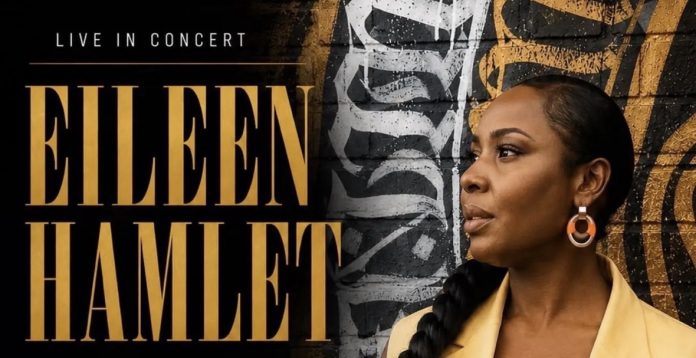
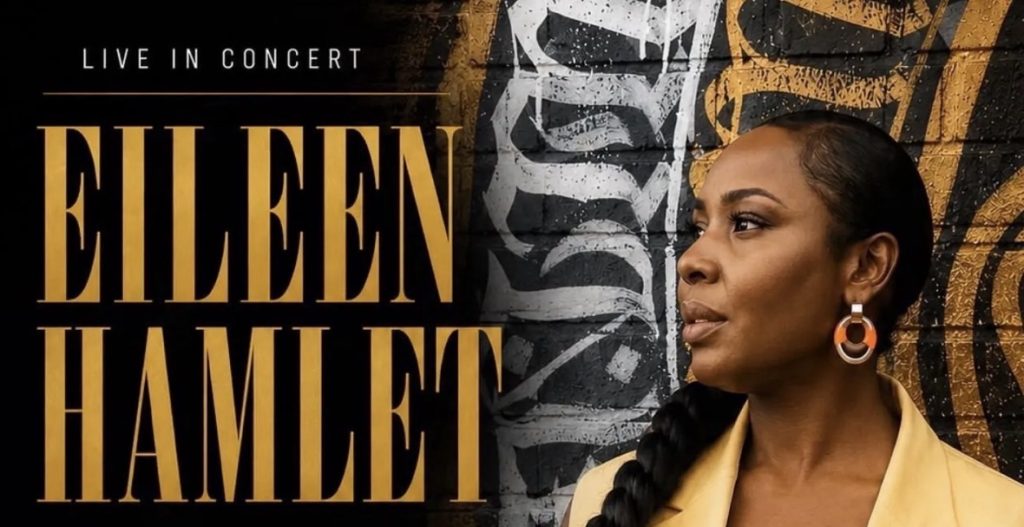
Hamburg-based singer and songwriter Eileen Hamlet is set to celebrate her 40th birthday with an intimate live concert and Spotify release event in Hamburg on Friday, September 18, 2026.
The event, titled “Eileen Hamlet – Birthday & Spotify Release Concert,” is scheduled for 7:30 p.m. at Dee Loung Hamburg, Mundsburg Center, according to the Eventfrog listing.
Eileen Hamlet Celebrates Birthday With Concert and Spotify Release in Hamburg 15
A Night of Music and Celebration
In a personal invitation shared with friends and supporters, Hamlet described the occasion as a special birthday celebration combining live music, good vibes and an intimate gathering.
“I can’t believe it, but I’m turning 40!” she wrote in the invitation.
The promotional material for the event describes the evening as featuring Eileen Hamlet & Live Band, with a musical blend encompassing Afro Soul, R&B and inspirational music.
The celebration will also coincide with a Spotify release, adding a new chapter to Hamlet’s musical journey.
Eileen Hamlet Celebrates Birthday With Concert and Spotify Release in Hamburg 16
Ghanaian Roots, Hamburg Music Scene
Hamlet has previously been described by Hamburg cultural organisations as a singer with Ghanaian roots, whose music combines elements of soul, modern R&B, Afrobeats and gospel.
Her work includes songs and lyrics in English, German and Twi, while her performances have connected her with Hamburg’s wider cultural and music scene.
For Eileen Hamlet, the evening represents more than a birthday celebration. It brings together music, personal milestones, cultural identity and a new musical release in an intimate Hamburg setting.
GhanaMedia.net wishes Eileen Hamlet a happy 40th birthday and a successful Spotify release.
For more Ghanaian and African stories from Germany and beyond, follow Ghana Media on Facebook.
Why Ghana Must Level the Playing Field for Children From Deprived Communities
Benjamin Teye Larweh reflects on scoring aggregate 08 in 1995 while studying under severe educational disadvantages—and asks whether Ghana’s school-placement system truly delivers fairness.
By Benjamin Teye Larweh, The Nobi Boy
In 1995, I completed my basic education at Samlesi Amanga L/A JSS with an aggregate of 08.
At the time, it was a remarkable achievement. My result was reportedly the best among the surrounding villages and towns. What makes the achievement even more significant to me is that it took almost 30 years before another student from the area could break that record.
OPINION | EDUCATION & EQUITY 18
But there is another side to that story.
Despite obtaining an aggregate of 08, I was refused admission to Pope John’s Secondary School, the school I had hoped to attend.
Looking back three decades later, I have come to appreciate that my experience was not merely about one boy missing out on one school. It reflected a much bigger problem in Ghana’s education system: we have often expected children from vastly unequal circumstances to compete as though they started from the same position. They do not.
I Did Not Study Under the Same Conditions
Throughout my basic education, there was no electricity in my village, Nobi Yorkornor.
I studied with lanterns.
When night fell, while children in towns and cities could sit under electric lights and study, my reality was different. The lantern was my source of light.
Getting to school was another challenge. I had to walk several kilometres to attend classes.
Throughout my basic education, the only time I saw examination questions printed on paper was during our JHS 3 mock examinations, barely four months before the BECE.
Before then, our examination questions were written on chalkboards and deleted immediately to make way for the next subject.
Think about that.
A child preparing to compete in a national examination had hardly experienced the examination environment that other children encountered routinely.
Yet, on examination day, we were all placed on the same starting line.
Or, more accurately, we were told that we were on the same starting line.
We were not.
Equality Is Not Always Fairness
There is an important distinction between equality and equity.
Equality says: Give every child the same opportunity.
Equity asks a more difficult question: What must we do to ensure that children who start from significantly disadvantaged circumstances have a genuinely fair opportunity to compete?
A child in a well-resourced school may have electricity, computers, textbooks, internet access, trained teachers, extra classes, mock examinations and exposure to examination formats from an early age.
Another child in an underserved community may walk several kilometres to school, study under a lantern, share limited textbooks with several classmates and have little or no exposure to computers.
Then both children sit the same examination.
We call this equality.
But is it fairness?
This is the question Ghana must confront.
The Problem Has Not Disappeared
Thirty years after my BECE, technology has transformed the way students are assessed and placed into Senior High Schools.
The Computerized School Selection and Placement System has introduced significant efficiencies into the placement process and has recently been upgraded to allow parents and guardians to complete parts of the admission and enrolment process online.
But technology, by itself, does not necessarily guarantee equity.
In fact, if we are not careful, technology can make existing inequalities less visible.
A computerized system can process thousands of candidates with impressive speed. It can apply rules consistently. It can reduce some forms of human interference.
But a computer does not know that one child studied under electricity while another studied under a lantern.
It does not know that one candidate had access to computers for years while another may not have encountered a computer at all before the examination.
It does not know that one child walked five kilometres to school every morning while another was driven to school.
It sees grades. It processes choices. It applies algorithms.
But children are more than numbers.
Should a Rural Child Be Penalised for Being Born in a Deprived Community?
This is not an argument for lowering academic standards.
Neither is it a call for unqualified students to be admitted into elite Senior High Schools.
It is a call for Ghana to recognise that academic performance is produced within social and educational environments.
If two children achieve the same aggregate but one has done so despite significantly fewer educational resources, should the system at least be capable of recognising that circumstance?
If a brilliant child from a deprived community narrowly misses the cut-off for a highly competitive school because of the structural disadvantages surrounding his or her education, should there be no mechanism to identify and support that child?
These are difficult questions. But they deserve serious national discussion.
We Need a Deprivation-Sensitive Placement System
Ghana should consider developing mechanisms within the SHS admission and placement framework that recognise students from demonstrably deprived educational environments.
Such a mechanism could consider:
The location and deprivation status of the student’s basic school;
Availability of electricity and digital learning facilities;
Teacher availability and school resources;
Distance travelled to school;
Access to textbooks and learning materials;
Historical academic performance of the school;
Socio-economic conditions within the community; and
The student’s individual academic performance.
The purpose should not be to give rural children an unfair advantage. The purpose should be to prevent structural disadvantage from becoming a permanent educational sentence.
We Must Also Invest Before the Placement Stage
The bigger solution, however, must begin long before BECE results are released.
If we genuinely want equal opportunity, then children in deprived communities must receive comparable educational resources.
We need electricity in every school. We need functional libraries. We need laboratories. We need computers and reliable internet connectivity. We need qualified and motivated teachers. We need regular mock examinations and exposure to examination formats. We need reading programmes. We need strong guidance and counselling.
And where communities are extremely remote, we must find innovative ways of reducing the distance children travel to school.
The ultimate objective should be to eliminate the disadvantage—not merely compensate for it at the point of admission.
My Story Is Not About Me
I sometimes look back at that 1995 result and wonder what would have happened if the circumstances had been different.
What if I had studied under electricity? What if I had regular access to textbooks? What if I had been exposed to printed examination papers long before sitting the BECE? What if I had attended a well-resourced school?
What if the admissions authorities had understood the context in which I achieved aggregate 08?
I will never know.
But I do know this:
There are thousands of children in Ghana today who are living my 1995 story. They are intelligent. They are hardworking. They are ambitious. They are capable of excelling. But they are competing against children who have had educational opportunities that they simply have not had.
We cannot continue pretending that the competition is entirely fair simply because everybody eventually sits the same examination.
Let Us Not Allow a Child’s Geographical Location to Determine His or Her Destiny
A child’s potential should not be determined by whether he or she was born in Accra, Kumasi, Takoradi or a small village such as Ahinkwa that many Ghanaians have never heard of.
A child should not be disadvantaged because his or her community does not have electricity. A child should not be less competitive because his or her school lacks computers. A child should not be made to pay for circumstances over which he or she has absolutely no control.
And most importantly, a child’s geographical location should not become a proxy for his or her intellectual ability.
My aggregate 08 in 1995 was not achieved because the circumstances were favourable.
It was achieved despite the circumstances.
That distinction matters.
Today, as Ghana continues to refine its computerized SHS placement system, we have an opportunity to ask a fundamental question:
Are we merely placing students efficiently, or are we placing them fairly?
Efficiency is important. Transparency is important. Merit is important. But equity is equally important.
The children of deprived communities do not need sympathy. They need opportunity. They do not need standards to be lowered for them. They need the barriers standing between their ability and opportunity to be recognised and addressed.
Thirty years ago, I was the Nobi Boy who scored aggregate 08 but was refused admission to my first-choice school.
Today, I speak for similar Nobi Boys and Nobi Girls across the country who are still sitting under lanterns, walking long distances to school and dreaming of entering Ghana’s best Senior High Schools.
Let us build a system in which where a child comes from does not determine how far that child can go.
That is not favouritism. That is educational justice.
Benjamin Teye Larweh The Nobi Boy
GHANAMEDIA EDITORIAL NOTE: GhanaMedia welcomes evidence-based public debate on education, equity and the future of Ghana’s children. The author’s personal experiences are presented as his account, while the broader concerns about educational inequality and the current placement system are supported by independent reporting and institutional evidence.
GhanaMedia also notes that the Ghana Education Service formally identifies equity, inclusion and special attention to children in deprived areas among its educational objectives.
For more verified Ghanaian and international news, follow @GhanaMedia123 on X.
Strika Reportedly Sentenced Over Kwashieman Footbridge Case as Jail Term Remains Disputed
The former Beasts of No Nation actor reportedly told a former caretaker he received a one-year prison sentence, while other reports have claimed seven years.
Ghanaian actor Emmanuel Nii Adom Quaye, popularly known as Strika, has reportedly been sentenced following the widely circulated Kwashieman footbridge incident involving the alleged removal of metal railings.
DEVELOPING — SENTENCING REPORTED; JAIL TERM DISPUTED 20
Strika gained international recognition for portraying the character Strika in the 2015 Netflix film Beasts of No Nation.
Reports of the sentencing emerged on Monday, September 14, 2026, weeks after footage circulated online appearing to show Strika being confronted by residents at the Kwashieman footbridge in Accra over allegations that he was removing metal components from the structure, reportedly for scrap.
Earlier reports said a police officer arrived at the scene and accompanied Strika for further investigations. At the time, the allegations had not been independently established.
Conflicting reports over sentence
The precise length of the reported prison sentence is currently unclear.
A report published by Pulse Ghana on September 14, 2026 said Strika reportedly told his former caretaker, Official Gunshot GH, during a telephone conversation that he had appeared before a court and received a one-year prison sentence. He reportedly said he was expected to be transferred to Nsawam Prison.
However, other reports circulating on Monday claimed that the actor had been sentenced to seven years in prison.
Importantly, the discrepancy has not yet been independently clarified. GhanaMedia therefore cannot responsibly present the seven-year figure as established fact at this stage.
The case attracted widespread attention
The incident generated considerable public discussion because of Strika’s history as a child actor who achieved international recognition at a young age.
His situation has also prompted calls for compassion and greater attention to his personal circumstances. Actress Ama K. Abebrese recently appealed for prayers and support for the actor and urged the public not to compare his life with that of his former Beasts of No Nation co-star Abraham Attah.
The case has consequently developed beyond the original footbridge allegation, reigniting debate about the long-term welfare of young performers after achieving early fame.
GhanaMedia’s verification position
At the time of publication, GhanaMedia can verify that multiple reports are now describing a court sentence involving Strika, but the exact duration of that sentence remains disputed in publicly available reporting.
GhanaMedia will update this report if an official court record, Ghana Police Service statement or other authoritative judicial source establishes the exact sentence.
GhanaMedia follows a strict verification principle: where credible reports conflict on a material fact, we identify the conflict rather than presenting one version as settled fact.
For more verified Ghanaian and international news, follow @GhanaMedia123 on X.